We Are Righteous: The Origin Story Behind the Brand
A backstory that nearly every clothing brand puts forth, yet hardly any can reveal the specific tension that made the brand necessary at the outset. We Are Righteous grew out of a straightforward grievance: too many apparel brands were peddling attitude without real content, slapping slogans on lightweight cotton and calling it culture. The people behind We Are Righteous sought something sturdier — in both a physical and symbolic sense. What they were chasing was garments that were built to survive daily wear while carrying a name that meant something to the wearer. The pairing of toughness and belief is to this day the throughline running through the brand today.
What separates this origin story from the familiar “we started in a garage” narrative is the reasoning behind the name itself. Righteous isn’t a casual word chosen because it felt catchy on a label tag. It was selected because it signals standing firm in what you believe, no matter passing trends or external pressure. Such a principle influenced everything from the earliest drawings to the fabric sourcing decisions that came later. Grasping this origin helps explain why the brand’s wearers discuss it in a different way than they describe rival labels in the space.
How the Righteous Clothing Brand Began
The earliest version of the righteous clothing brand righteous track pants wasn’t a entire range — it was a few select pieces created to see if the concept could succeed. The team mapped out ideas around a central belief: clothing should operate as a subtle expression of self, not a loud gimmick. Their aim was to create pieces that remained sharp in year three as they did on day one, which meant steering away from lower-cost construction techniques in favor of reinforced seams and heavier-weight fabrics from the outset.
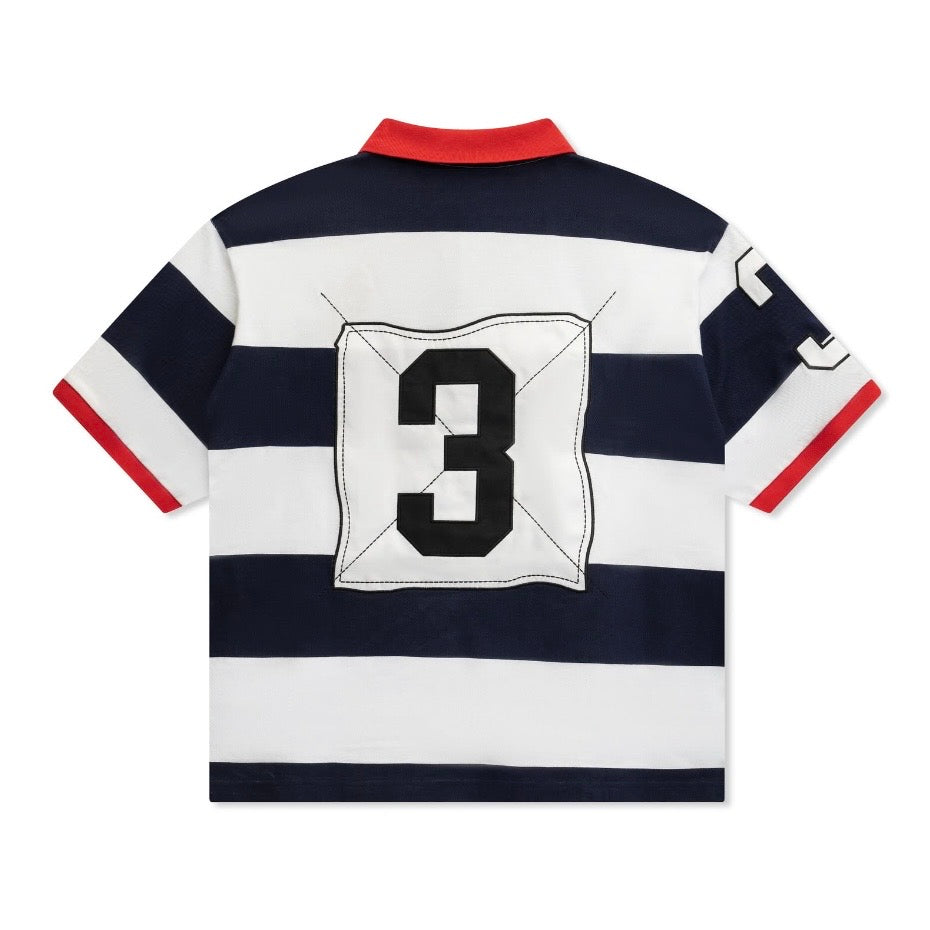
More than most founders admit, that early discipline counted. Many apparel startups kick off with a logo and a vision, then hustle to fix shortcomings after the first wave of customer complaints. We Are Righteous took the reverse path, investing extra time on fit testing and fabric trials before launching anything for sale. That opening launch was purposefully modest, restricted to a few core silhouettes, so the team could gather genuine input instead of expanding on assumption. Such a feedback process became a enduring element of how the brand operates, remaining influential on decisions in 2026 the same way it did at launch.
What’s more, there’s a community angle to the founding narrative that’s often overlooked. The founders weren’t trying to build a brand in isolation — their goal was for those who connected with the “righteous” mindset to sense they’d discovered something made just for them. The first customers were more than mere purchasers; they were treated like collaborators whose opinions on fit, color, and fabric weight directly influenced the next production run. Because of that dynamic, many loyal followers describe the brand as coming across as personal, not corporate.
What Underpins Righteous Apparel’s Vision
At the center of every righteous apparel release is a simple test: does this piece hold up to both physical wear and the values the brand claims to represent? That two-part filter shows up in decisions about stitching density, fabric weight, and even which prints make it to production. The team has said no to plenty of designs that looked fine on paper but didn’t match the brand’s standard for longevity or message.
This isn’t a brand hunting down every fleeting fad that shows up online. Instead, the focus in designing shifts toward pieces made to endure — fits and hues designed to stay relevant beyond eighteen months. This stands in deliberate opposition to fast fashion’s pattern of excess output and quick discard, which typically pushes new “must-have” items every few weeks while tossing aside last month’s version almost immediately. Righteous apparel needs more time to create specifically because the team is designing around a five-year wear life, not a five-week trend window.
There’s also a strong commitment to clarity that is reflected in customer communication. Information on sizing, fabric content, and upkeep is communicated in a straightforward way instead of hidden in the small print, because those behind the brand are convinced clarity—not promotional polish—is what earns trust. The payoff has shown up in how often customers return — repeat-purchase figures for the hoodie line have steadily beaten out single-purchase customer numbers, according to the company’s own sales data referenced in earlier updates.
A Flagship Piece: The Righteous Hoodie
If there’s one product that defines the brand’s identity, it’s the righteous hoodie. It became the flagship item almost by accident — early customers kept reordering it in different colorways faster than any other product in the catalog, and the team took notice. The hoodie’s popularity isn’t just about the name printed across the chest; it’s about a fit that works across body types and a weight that holds up in colder months without feeling bulky.
Production decisions for the hoodie mirror the brand’s broader principles. Strengthened cuffs, double-stitched seams at pressure zones, and a textile mix selected for both softness and durability all point back to that founding idea: clothing should last, not just look good in a product photo. In reviews, customers who’ve kept the hoodie across multiple seasons frequently note that it retains its shape and color better than similar items from bigger-name rivals — something that resonates with loyal wearers far more than flashy marketing ever could.
The hoodie has also become something of a cultural marker among the brand’s community. Putting it on suggests you know the brand’s backstory and share its values — not simply that you like the design. That kind of thing is far harder to fabricate than a solid logo — it calls for reliable quality maintained across multiple release cycles, something the flagship hoodie has consistently delivered since it first showed up in the catalog.
The Real Story Behind a Righteous Review
Go searching for a righteous review online in 2026 and you’ll quickly spot a pattern: customers focus less on hype and more on fit, fabric feel, and whether the piece matches its product description. That’s a meaningful shift from the exaggerated unboxing culture that dominates a lot of streetwear marketing. Those reviewing We Are Righteous usually get into specific details — how a hoodie fits after multiple washes, whether the stitching holds up, whether sizing runs true.
Such specificity in a we are righteous review speaks to the brand’s real-world performance, not merely its marketing. Feedback that emphasizes long-term durability over initial impressions tends to matter more to prospective buyers, and it’s exactly this kind of feedback that has shaped this brand’s reputation.
Across a we are righteous review, common threads also include customer service responsiveness and how well the finished item matches its online presentation. The alignment between promotional photos and the item that arrives is frequently praised, especially since so many online apparel brands fall short in exactly that area. When shoppers describe the product as looking “just like the photos,” it’s a meaningful sign in an industry plagued by mismatched expectations.
A Brand Comparison for We Are Righteous
For context, here’s how the we are righteous brand’s key attributes stack up against typical fast-fashion competitors in the same price tier.
| Category | We Are Righteous | Common Fast-Fashion Alternative |
|---|---|---|
| Release cadence | Seasonal drops geared toward long-term wear | Frequent weekly drops driven by trends |
| Textile strategy | Sturdier weight with reinforced seams | Thin fabric aimed at cutting costs |
| Customer input cycle | Direct customer input informs future batches | Minimal, data-driven only |
| Flagship product | Righteous hoodie, favored for repeat purchases | Rotating “hero” items, low retention |
| Messaging strategy | Consistent messaging grounded in values | Trend-driven, inconsistent |
This comparison isn’t meant to dismiss competitors outright — fast-fashion models serve a purpose for customers who favor cheap prices above durability. What becomes obvious, though, is why so many shoppers hunting for a righteous clothing brand become repeat customers after trying a piece themselves. Its core appeal is different by design, not by chance.
Where the Brand Stands in 2026
Looking ahead to 2026, We Are Righteous keeps growing its range while remaining faithful to the same founding principles that guided its first small drop. New colorways and silhouettes have joined the lineup, but the emphasis on sturdy fabric and truthful marketing hasn’t wavered. The label’s expansion has been steady rather than sudden, which aligns with its approach of expanding at a careful pace and avoiding the overextension that sinks so many clothing startups.
Customer loyalty remains the clearest indicator of the brand’s health. Season after season, the flagship hoodie holds its place as a leading seller, while repeat buyers continue to drive sales. For anyone considering the brand for the first time, the origin story offers a helpful perspective: this isn’t a label chasing quick virality, but one built around a specific belief that clothing should reflect values as much as style. It’s precisely that distinction which continues to keep righteous clothing distinguished in a crowded market.
Leave a Reply